Mobile Auto Electrician Ashbourne
Electrical work on cars, 4x4s, pickups and trailers across Ashbourne and the DE6 villages, from Clifton and Mayfield up towards Fenny Bentley and out along the A52. Trailer sockets that only work behind one vehicle, warning lights that appeared after a jet wash, work lamps and beacons that want wiring properly — that is the bulk of it. We come to the yard or the drive, and heavier jobs can be booked in with us.
Electrics On Working Vehicles
Ashbourne sits where the Derbyshire farmland stops and the Peak begins, and the vehicle mix tells you so immediately. Pickups and 4x4s that spend half the week on the A515 and half on a field track. Horseboxes and livestock trailers coming in off the A52. Tractors and telehandlers moving between yards on the road. And plenty of ordinary cars that still have to tow something at the weekend. Nearly every electrical fault we see in DE6 traces back to one of three things: water, vibration, or a trailer socket.
Water first. A loom on a road car leads a sheltered existence; a loom on something jet washed every Sunday and then driven through a flooded lane near Fenny Bentley does not. Pressure washers push water straight past seals that were only ever meant to shed spray, and it sits in the connector instead of draining away. Weeks later the pins have corroded, resistance has climbed, and the vehicle reports a fault that reads exactly like a failed sensor. Strip the connection, clean it, repack and reseal it, and the sensor turns out to have been fine throughout.
Trailers, towing and the 13-pin socket
Trailer electrics cause most of the frustration around here, and nearly always for a mundane reason. A trailer board that works behind one vehicle and not another is usually an earth problem rather than a bulb problem, because each vehicle earths the trailer by a different route and only one of those routes is still clean. Beyond that, a modern tow vehicle needs a dedicated bypass module instead of a splice into the rear lighting, and many then need coding so the car knows a trailer is on the back — otherwise the reversing sensors stay live and the stability system never allows for the load behind.
We wire 7-pin and 13-pin sockets, sort out horsebox and livestock trailer looms, fit split-charge systems where a trailer or camper needs its own supply, and chase down the intermittent faults that only ever appear over a cattle grid. Vibration is the quiet culprit on farm vehicles: a wire that passes a static test perfectly well will open-circuit on a rough track, so wherever we can we test with the loom being moved rather than sitting still on the bench.
Beacons, work lamps and seeing what you are doing
Short winter days and unlit lanes mean most of the lighting work here is practical rather than cosmetic. Rear work lamps so you can hitch up in the dark. A roof or bumper bar for a track with no edges to it. An amber beacon for a vehicle that has to sit on the verge of the A515 while somebody gets out and opens a gate. All of it goes onto a relay with a fuse rated for the lamp and a switch the driver can actually reach, wired so the lamps cannot be left burning with the ignition off, and routed to survive hedges rather than to look tidy for a fortnight.
Jobs We Take On Locally
All of this travels to the vehicle, whether that is a farmyard, a stable block or a driveway in town.
Towbar & Trailer Wiring
Sockets fitted with the correct bypass module and coded where the vehicle expects it, so trailers and horseboxes light up every time.
Fault Finding On 4x4s
Faults chased on working vehicles with a meter and a wiring diagram, including the ones that only appear once you are moving over rough ground.
Work Lamps & Beacons
Rear work lamps, roof and bumper bars and amber beacons put on relays with reachable switches and fuses sized for the lamp.
Water Damage Repairs
Connectors and loom sections that have taken a pressure washer or a flooded ford stripped back, remade and sealed against the next lot.
Split Charge & 12V Supplies
Second batteries, leisure feeds and 12V outlets for winches, fridges and trailers installed with proper isolation and the right cable size.
Charging On Low-Mileage Vehicles
Batteries and alternators assessed on vehicles that do a short farm run and then sit, which is a harder electrical life than a long commute.
Fitted On Vehicles Like Yours
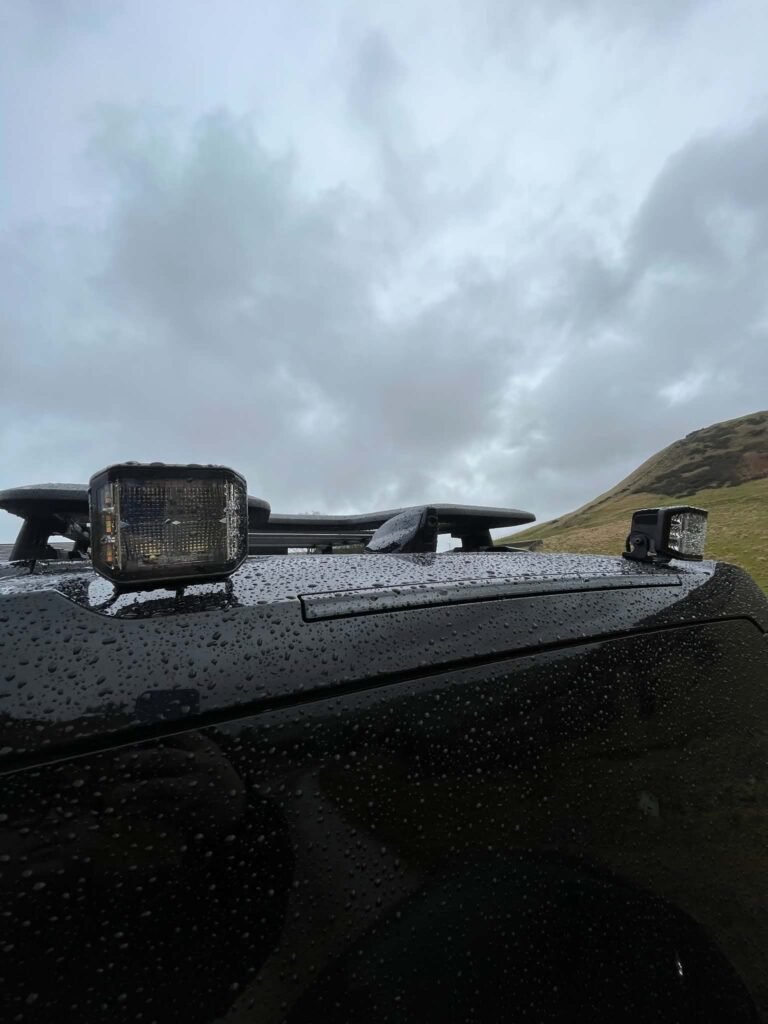
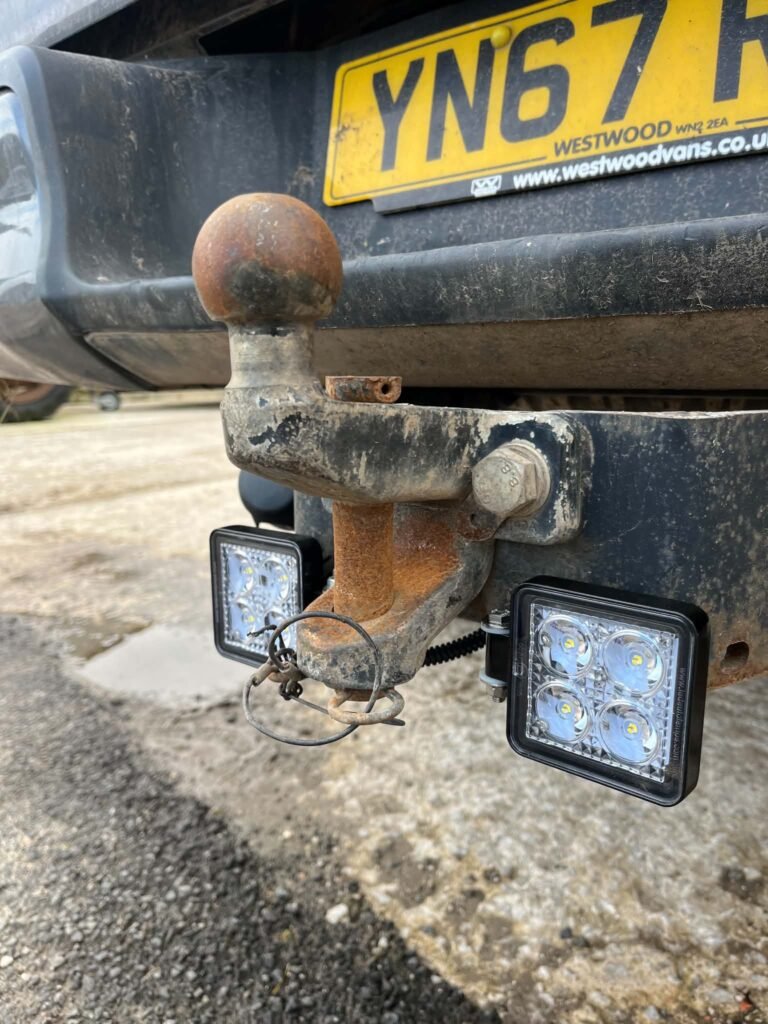
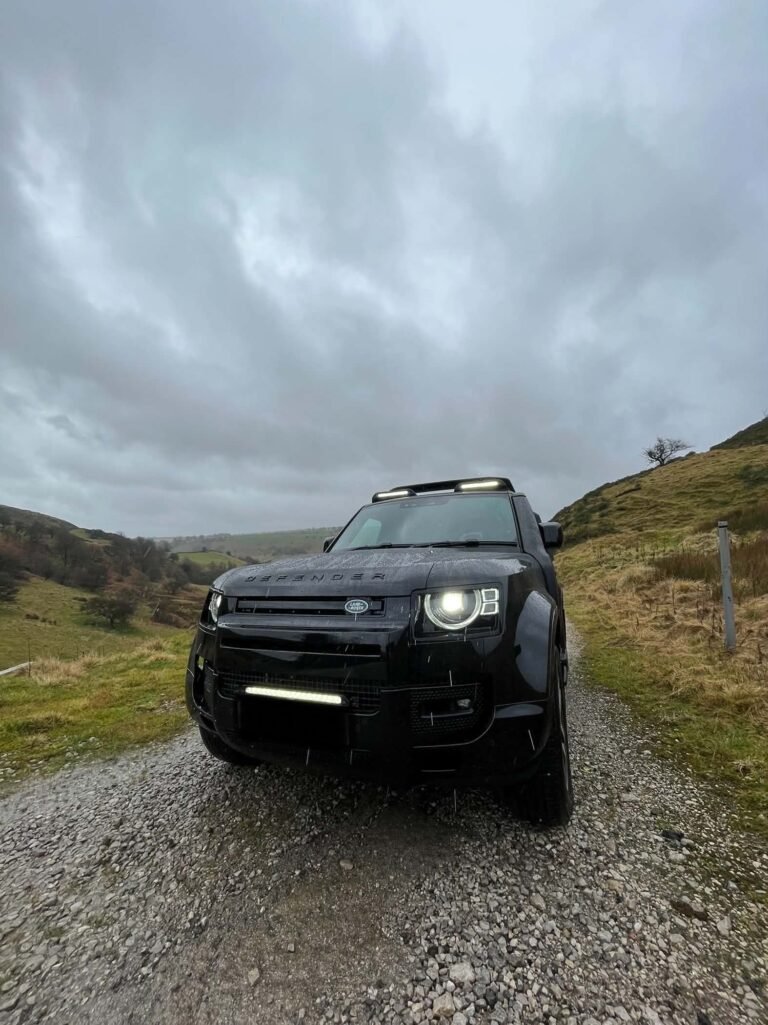
The Ashbourne Patch
We cover Ashbourne town and the DE6 villages spread out along the A515 and the A52, including the farms and yards off the lanes between them. If you can give us a postcode and tell us which gate to take, we can usually find it.
Questions We Get Asked
Will you come out to a farm or a yard off the lanes?
Yes, that is normal work for us around here. Give us a postcode and a note of which gate or track to take and we will find you. We would much rather come to the vehicle than have you drive something with a known electrical fault into town.
The trailer lights work behind one vehicle but not the other. What causes that?
Nine times out of ten it is an earth rather than a bulb. Each tow vehicle earths the trailer through its own socket and wiring, and where one of those paths has corroded the lights behave oddly — dim, flickering, or one circuit feeding back into another. Cleaning and remaking the earth usually fixes the whole lot, and it is worth checking before anyone buys a new trailer board.
Can you wire a beacon and rear work lamps onto a pickup used off road?
Yes, and it is a job worth doing properly. Each lamp goes on a relay with a fuse rated for it, with a switch you can reach from the driving seat and wiring routed where brambles and hedges cannot get at it. We also wire them so they cannot be left burning with the ignition off and flatten the battery overnight.
Can pressure washing a 4×4 bring on warning lights?
It can, and we see it regularly. A pressure washer forces water into connectors that were only designed to shed rain, and once it is sitting on the pins they corrode and resistance rises. The vehicle then reports a sensor fault which is really a connection fault. Stripping, cleaning and resealing the connector normally settles it with no new part needed.
Can you add a 13-pin socket for a horsebox or a tipping trailer?
Yes, including on modern vehicles that need a dedicated bypass module and coding so the car recognises that a trailer is attached. A 13-pin gives you the permanent and charging feeds that a 7-pin cannot, which matters if the trailer has interior lights, a ramp light or a battery of its own. We test it with your trailer hitched on before we leave.
Can a winch and a cool box run off their own battery without affecting the vehicle?
That is exactly what a split-charge or dual-battery system is for. The second battery charges from the vehicle while the engine runs and is isolated when it stops, so a flattened leisure battery can never leave you unable to start. Cable size and fusing are the parts most often skimped, and a winch in particular pulls far more current than many installs allow for.
Auto Electrics Across Derbyshire
Trailer Lights Or Warning Lights?
Tell us the vehicle, the trailer and what it does and does not do, and we will turn up prepared for the right job.