Mobile Auto Electrician Congleton
Mobile electrical diagnosis in Congleton, from Buglawton and Mossley out to Astbury and Somerford. Most of what we see here belongs to cars that work for a living on the A34 — charging systems worn out by engine hours, stop-start batteries fitted without being coded, diesels that crank slowly from cold. Bring the fault to us by phone and we will bring the meter to the vehicle.
What Commuter Mileage Does To A Car’s Electrics
Plenty of the cars kept in CW12 earn their keep on the A34. North towards Alderley Edge and the Manchester fringe, south towards Newcastle-under-Lyme, with the A54 cutting across for anyone heading to Holmes Chapel or over the tops — the daily distances around Congleton are long, and the local car park leans heavily on diesels bought for exactly that reason. Big mileage is kind to a battery and hard on everything that spins. An alternator counts engine hours rather than birthdays, so a car that has spent its life on that corridor can be ready for charging work while the paint still looks new.
The second factor is the ground immediately east of town. The lanes through Timbersbrook and under the Cloud climb steeply, and the pull towards Bosley holds a diesel at high load in a low gear for minutes at a stretch. Faults that hide on the flat declare themselves there: a charging output that collapses once the cooling fan, heated screen and blower are all drawing at once, a glow plug circuit quietly down to half its plugs, a starter that drags when hot. If the car behaves around town and plays up on the climbs, that is a clue rather than bad luck.
Stop-start batteries and the step that gets missed
Most of the newer commuter cars here run stop-start, which means an AGM or EFB battery and a management system deciding how hard to charge it. Two things go wrong. Either a plain flooded battery is fitted because it was the cheaper shelf item, and the car cooks it inside a year. Or the right battery goes in but is never registered to the vehicle, so the management system carries on charging to the profile of the worn-out one it still believes is there. We fit the correct chemistry and code it in, which is the difference between a battery that lasts and one that is flat on the drive again by next winter.
Slow diesel starting gets blamed on the battery more often than anything else we are called to in Congleton. A high-mileage engine wants proper cranking speed, and if the glow plugs, their relay or the main cables are tired it will start badly from cold while the battery itself passes a test cleanly. So we measure cranking voltage and current, check what the glow circuit is genuinely drawing, and inspect the cable ends — a corroded or stretched main lead robs you of cranking speed just as effectively as a dead cell. Astbury, Mossley, Eaton, Hulme Walfield and Somerford are all normal working ground, not an awkward add-on.
Electrical Work We Take On Here
Everything listed below happens where the car is — on your drive at home, in a works car park, or at the roadside if that is where it stopped.
Fault Finding & Warning Lights
Live data, stored codes and a wiring diagram used together, so you get the cause of the light rather than a list of the codes it set.
Battery Fitting & Coding
The correct AGM or EFB battery for a stop-start car, registered to the vehicle so its charging strategy actually matches the new battery.
Starters, Glow Plugs & Cranking
Cranking speed measured properly before parts are bought, because a tired diesel starting badly is not always a battery problem.
Wiring & Connector Repairs
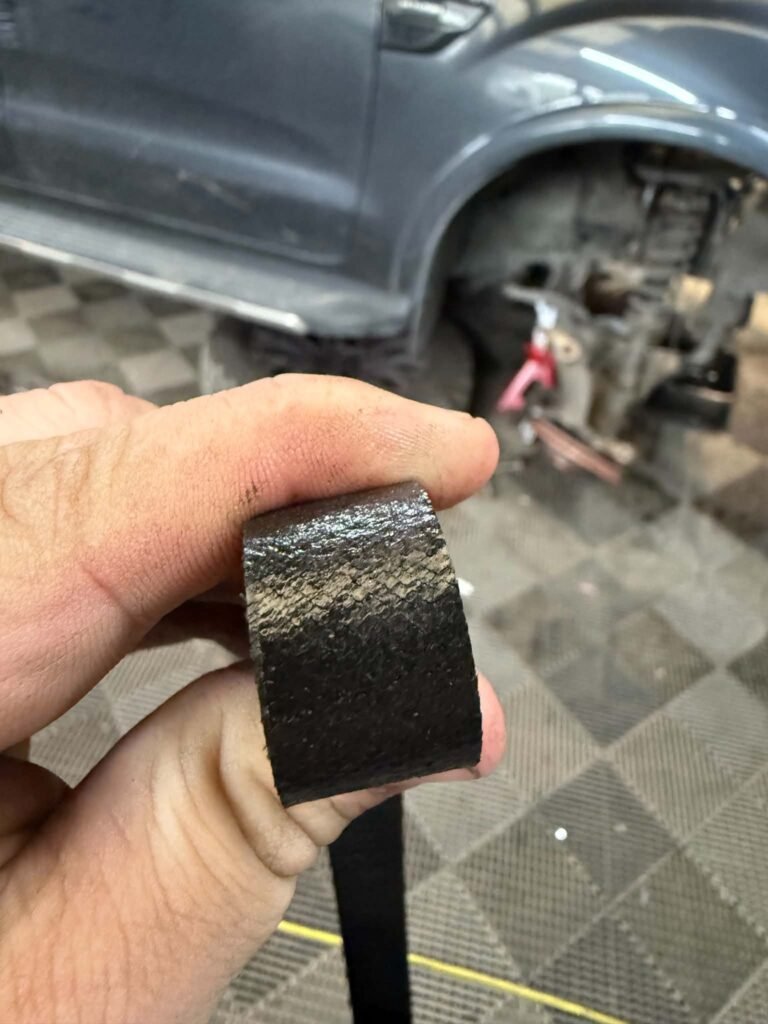
Chafed looms behind bumpers, snapped connector locks and crimped bodges from earlier repairs cut out, remade and sealed so they stay fixed.
Trailer & Towbar Wiring
Sockets wired through a proper bypass module and coded where the car expects it, so lights, sensors and stability systems all behave with a trailer on.
Camera & Tracker Wiring
Hardwired installs taken off a switched or permanent feed as the device needs, with voltage cut-off set so parking mode cannot flatten the car.
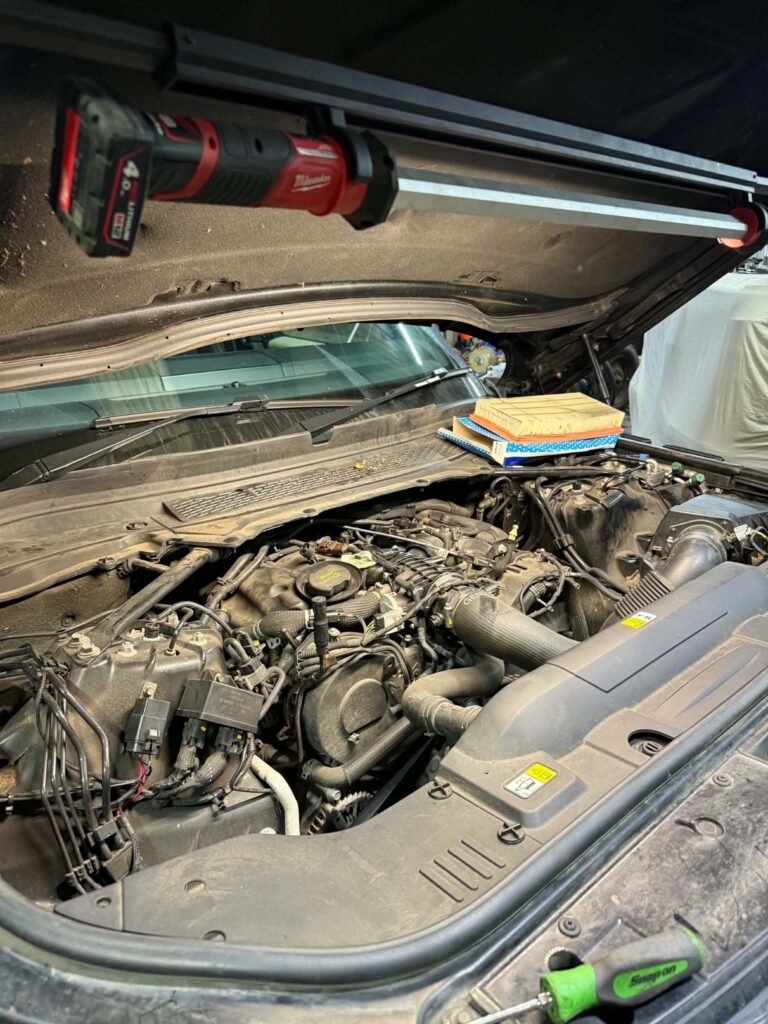
Diagnostic And Repair Work On Site
Our Congleton Coverage
Congleton sits in the middle of our Cheshire run, so we are through the town and along the A34 and A54 regularly. Electrical jobs in the outlying villages are booked exactly as they are in town, with no distance charge for being a few fields out.
Questions We Get Asked
The battery light flickers on the climb towards Bosley but not in town. Why?
Because a long pull in a low gear is when the electrical demand is highest and the alternator is turning slowest. A charging system that is marginal will cope on level roads and drop below what the car needs on that sort of climb. We can load the system deliberately and watch the output at the terminals, which usually shows up a worn alternator or a poor main charging lead before it leaves you stranded.
Does a replacement battery really need coding on a stop-start car?
On most stop-start vehicles, yes. The battery management system logs the age and condition of the battery it thinks is fitted and tailors charging to it, so a fresh battery that is never registered gets charged as though it were old and worn. The symptom is a battery that never reaches full charge and stop-start that stops working altogether. Registering it takes minutes with the right tool and we do it as part of the fit.
Can an alternator be tested without taking it off the car?
Yes, and it should be. We measure what it delivers at the battery terminals with the engine running and the electrical load turned up, then check the voltage drop along the charging cable and the earth path. That tells us whether the alternator is genuinely failing or whether the wiring to it is the weak link — two very different bills.
What makes a diesel crank slowly when the battery is new?
Usually resistance somewhere in the heavy current path, or a starter that is drawing too much. Corroded or loose battery clamps, a stretched main earth strap and tired glow plugs all produce the same slow, laboured crank as a flat battery. Measuring current and voltage while the engine turns over separates them quickly, and it stops you buying a second battery to fix something that was never the battery.
Do you take on vans and pickups as well as cars?
Yes — car, van, pickup and light commercial electrics are all normal work for us, 12V and 24V. Working vehicles usually have more added to them than a car does, so there is often a second battery, a beacon or a set of work lamps involved, and those extras are a common source of the fault in the first place.
Someone else fitted my trailer socket and now I get warning lights. Can you put it right?
That is a regular call. Most of these faults come from the socket being spliced straight into the rear lighting circuits on a car that needed a dedicated module instead. We can strip out the splices, fit the module the vehicle expects and code it so the car knows a trailer is attached, which clears the warnings and stops the rear sensors complaining every time you reverse.
Auto Electrics In Neighbouring Towns
Charging Or Starting Trouble In Congleton?
Describe what the car is doing and when it does it — cold, hot, uphill, after standing — and we will tell you what needs testing first.