Brake Squeal, Judder Or Grinding: What Each Noise Means
Brakes tell you what is wrong with them if you know what you are listening for. Some noises are nothing at all, one of them means get off the road now.
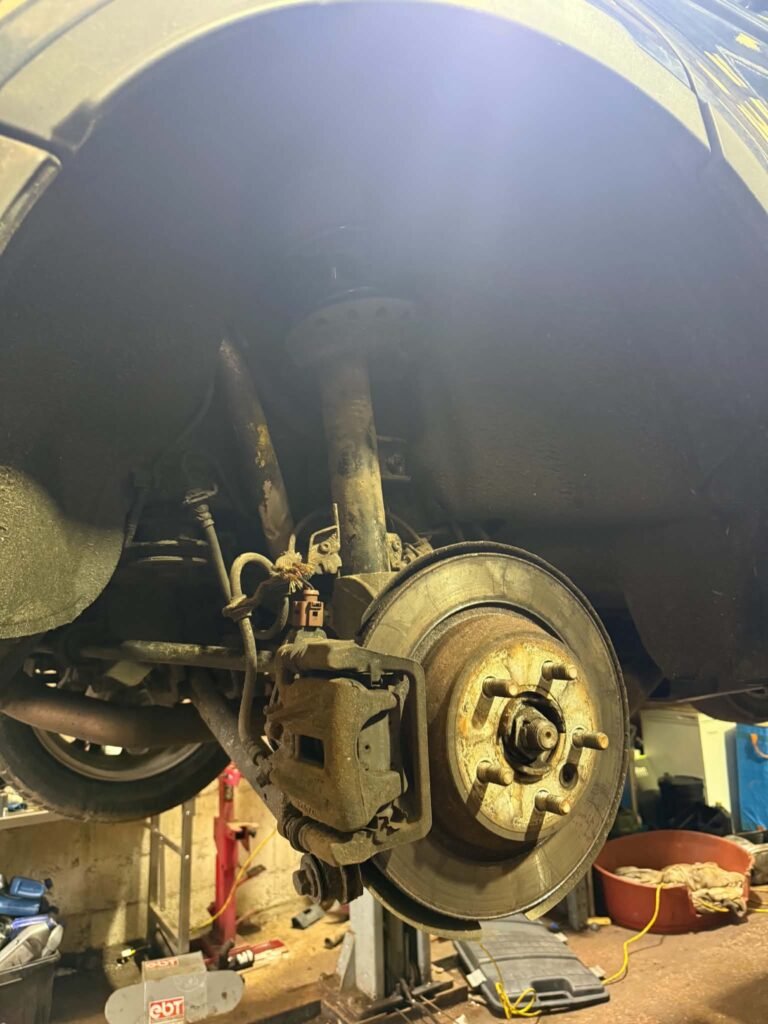
Brakes are the one system on a car where people are reluctant to gamble, which is sensible, but it also means a fair number of pads and discs get replaced because of a noise that was never a fault. Knowing which noise is which saves money in one direction and saves you a much bigger bill in the other.
The First Few Stops Squeal And Then Stops
Start with the harmless one, because it is by far the most common. Leave a car out overnight in damp weather and a thin film of surface rust forms on the discs. It is iron, it is bare, and it happens within hours. The first few applications of the brake scrape that film off, which can produce a squeal or a light grinding note, and then it goes away and does not come back until the car has stood again.
If the noise appears on the first couple of stops of the day, clears completely, and the brakes feel entirely normal, that is surface rust. It needs nothing. It gets worse in winter, worse again if the car sits outside on a driveway, and worse still after the roads have been salted.
Squeal That Does Not Go Away
A persistent squeal is a vibration — the pad is chattering against the disc at a frequency you can hear. Several things cause it:
- Brake dust and debris built up in the caliper and between pad and disc. Sometimes a clean and proper re-lubrication of the slides and backing plates is all it takes.
- Glazed pads or discs. Overheat a brake — a long descent, a heavy tow, sustained hard use — and the friction surface can harden and go shiny. A glazed brake squeals and bites less well than it should.
- Cheap pads. Friction material quality varies enormously and some budget pads squeal from the day they are fitted regardless of how carefully the job was done.
- Missing or wrong hardware. Anti-rattle shims, clips and the right grease in the right places are there specifically to stop this. Leave them out and the brake will talk to you.
- Wear indicators. Many pads have a small metal tab that contacts the disc when the material gets low, deliberately making a noise. That is the pad telling you it is nearly done.
A persistent squeal is not usually an emergency, but it does want looking at, because the difference between “needs a clean and some grease” and “the pads are nearly out” is not something you can hear from the driver’s seat.
Judder Through The Pedal Or Steering Wheel
This one feels rather than sounds wrong: a pulsing in the brake pedal, a shudder through the steering wheel, or the whole car nodding as you slow from higher speeds. It is almost always down to the disc surface not being flat or not being an even thickness all the way round.
The usual causes are thickness variation from uneven wear, genuine distortion from severe heat, and — very commonly in this country — corrosion. A car that has stood for weeks develops pitting and heavy rust on the disc face, particularly in the band the pad does not cover, and once the surface is uneven the pad passes over high and low spots on every rotation. That is your pulse.
It gets worse if a car is parked up with the brakes hot and wet, which is why a vehicle laid up over winter often comes back with juddering brakes that were fine when it went away.
Worth knowing: judder is not always the brakes. Worn suspension or steering components, a seized caliper on one side, or wheels out of balance can all produce something that feels similar. If the shudder is there under braking only, look at the brakes; if it is there at speed whether you brake or not, look wider. Replacing discs to cure a wheel balance problem is a waste of good discs.
Grinding: Stop Driving
A harsh, metallic grinding that is there every time you brake, gets louder with pressure, and does not clear after a few stops means metal is running on metal. The friction material has gone and the pad backing plate — or the rivets in it — is cutting into the disc face.
This is the one to take seriously immediately, for three reasons. Braking performance is significantly reduced, because a steel backing plate is a poor brake. The disc is being destroyed as you drive, turning a pad replacement into pads and discs. And a pad worn that far can break up or fall out of the caliper entirely, at which point that corner has no brake at all.
If a car is grinding, it should not be driven further than it has to be. That is a genuine safety issue rather than a cautious garage upselling you.
Other Noises Worth Knowing
- A rhythmic click or scrape that follows wheel speed rather than braking — often a stone caught between the disc and the shield, sometimes a loose shield fouling. Usually trivial, occasionally not.
- A groan or moan at very low speed, parking or crawling in traffic. Often just friction material characteristics and nothing to fix.
- A smell of hot metal after a drive, plus one wheel much hotter than the others — that is a sticking caliper or a seized slide pin. It ruins fuel economy, destroys a pad and disc quickly, and can get hot enough to be dangerous.
- A handbrake that binds after standing, common on cars with rear drums or cable-operated calipers, especially after they have been parked up wet and salty.
Urgent, Or Can It Wait?
The honest version:
- Get it looked at now: grinding, a pedal that goes soft or sinks, a pedal that needs pumping, braking that pulls hard to one side, a burning smell with one wheel hot, or a brake warning light.
- Get it booked in soon: persistent squeal, judder under braking, brakes that feel less confident than they did, or a car that has been standing for months.
- Leave it alone: the first-few-stops rust squeal on a damp morning, and a bit of groan at parking speed.
Making Brakes Last Longer
Nothing exotic. Use engine braking on long descents instead of riding the brakes, which is the main reason hill-country cars glaze pads. Try not to park up with brakes hot and soaking. Give a car that mostly does short trips an occasional longer run so the discs dry out and clean themselves. And if a car is going to sit for a long period, leave it somewhere dry if you can.
Brakes are one of the jobs that suit being done where the car is. Pads, discs, calipers and fluid can all be dealt with on your driveway as part of our servicing and repair work, and if something turns out to need more than that, it gets booked in with us. If a brake has failed and the car should not be driven, roadside assistance is the better first call, with emergency call-outs when available.
Brakes Making A Noise?
Tell us what you can hear and when, and we will tell you whether it needs doing today or can wait.
📞 Call 07803 397561 Message On WhatsApp