Winter Car Checks That Actually Matter Before The Cold Sets In
Every autumn the same advice gets recycled, half of it pointless. Here is what genuinely stops a car letting you down between October and February, based on what we actually get called out to.
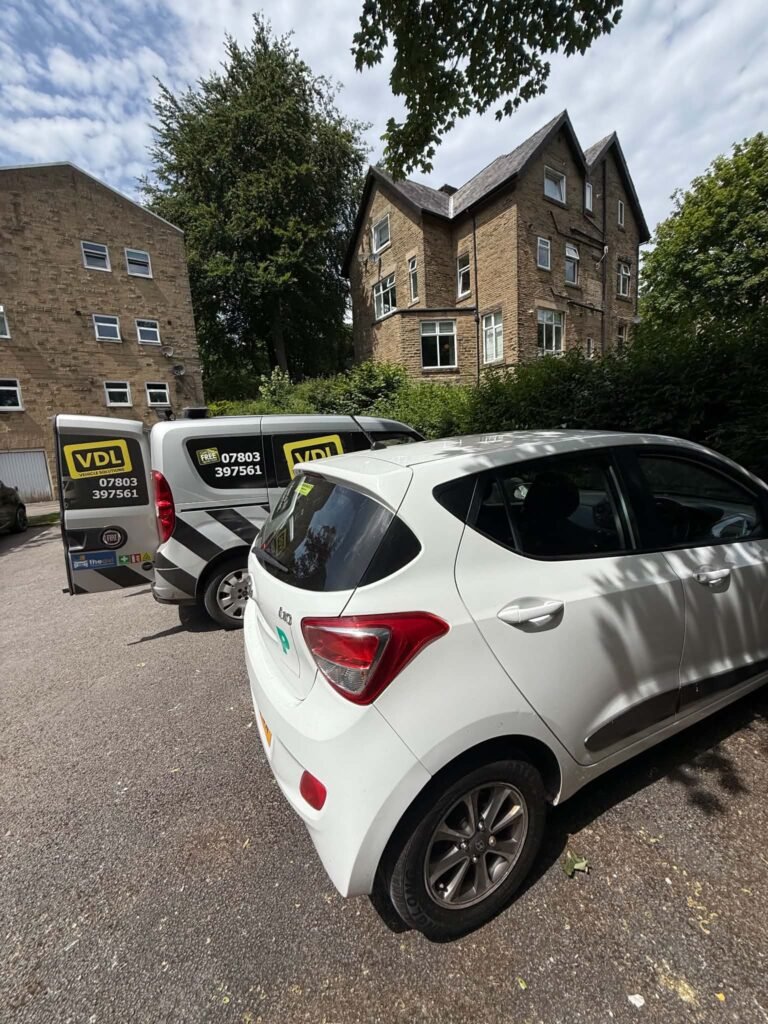
Cold weather does not create faults so much as expose them. A battery that is already tired, a coolant mix that is weaker than it should be, a set of brake discs quietly corroding — all of them will cope in September and give up in December. That is why the useful winter checks are the ones that find a marginal component before it fails, not the ones that involve topping up screenwash and calling it done.
If you are anywhere in the High Peak or the Staffordshire Moorlands, this matters more than it does in flatter parts of the country. Higher ground means colder mornings for more of the year, and the roads get salted heavily and early.
1. Have The Battery Tested, Not Guessed At
Batteries cause more winter call-outs than everything else put together, and almost all of those failures were predictable. A battery does not die suddenly in December — it has usually been weakening all year and the first properly cold morning is simply the point at which it can no longer turn the engine over.
The important word is tested. A proper test puts the battery under load and measures how it holds up, which tells you whether it will survive the winter. Turning the key and hearing it start tells you nothing about how much reserve is left. If your battery is over four years old, get it tested before the clocks change rather than after.
Worth knowing: a battery that keeps going flat is not always a bad battery. It can be an alternator not charging properly, or something drawing current while the car is parked. Replacing the battery without testing the charging system is how people end up buying two batteries in a winter.
2. Check The Coolant Strength, Not Just The Level
Everyone checks the coolant level. Far fewer check its concentration, which is the bit that actually stops it freezing. Antifreeze degrades over time and gets diluted every time someone tops up with water, and a weak mix can freeze in the coldest weather — which at best splits a hose and at worst cracks a block or a head.
Testing it takes seconds with a refractometer and is worth doing on any car that has had top-ups or is more than a few years past its last coolant change. It is one of the cheapest checks there is and one of the most expensive problems to fix if you skip it.
3. Look Underneath, Because The Salt Does
Road salt goes down early and heavily on the routes over the tops, and it attacks anything steel underneath a car: brake pipes, fuel lines, subframes, exhaust mountings, suspension components. Brake pipes in particular are a genuine safety issue and a common MOT failure, and they corrode from the outside in where you cannot see them without looking properly.
An underbody look-over in autumn buys you time to fix something on your terms rather than discovering it at an MOT in February. If you cover a lot of salted road, it is the single most useful thing on this list after the battery.
4. Tyres: Tread Depth And Age Both Count
The legal minimum is 1.6mm, but grip falls off a cliff below about 3mm in standing water and slush. If you are running close to the limit going into winter, you are effectively choosing to have less grip for the months when you need it most.
Age matters too. Rubber hardens as it gets older regardless of tread, and a hard tyre grips badly in the cold. A five-year-old tyre with plenty of tread can still be worse in January than a newer tyre with less. Check the four-digit date code on the sidewall.
Whether cold-weather tyres are worth it depends on where you live. If you are up in Buxton, Chapel or the villages above the A6 and you need to get out every morning regardless, all-season tyres make a real difference. If you are mostly on gritted main roads lower down, good summer tyres with plenty of tread are usually enough.
5. Wipers, Washers And Lights — The Boring Ones
These get dismissed as trivial, but they are what turns a dark, wet commute into something unpleasant or dangerous. Smeared wipers on an unlit lane at five in the afternoon are genuinely hazardous, and a blown bulb is both an MOT failure and a reason to be pulled over.
- Replace wiper blades that judder, smear or leave lines — they are cheap and take minutes
- Use proper screenwash at winter concentration, not water, which freezes in the jets and the reservoir
- Walk round the car with the lights on, including the brake lights and the number plate lamp
- Clean the headlight lenses; a clouded lens can cut light output dramatically
If your headlights are yellowed or the beam has always been poor, winter is the time to sort it. We fit upgraded lighting and spot lamps for people who drive unlit moorland roads daily, and the difference on a dark lane is not subtle.
What We Would Skip
Not everything sold as a winter check is worth paying for. You do not need a fuel system additive, an engine flush or an air-con regas as a seasonal ritual. Air conditioning does help demist a screen quickly, so it is worth having working — but that is a repair if it is broken, not an annual service item.
If Something Does Go Wrong
Most cold-weather breakdowns are batteries, charging faults, coolant problems or something electrical that damp has found. The majority of those can be diagnosed and fixed where the vehicle is standing, which is usually cheaper and quicker than recovering it somewhere first. That is the whole reason a mobile service makes sense up here — getting a car down off a hill costs more than fixing the fault.
Want The Checks Done Properly?
We can go through all of this at your home or workplace, test rather than guess, and tell you straight what needs doing before the weather turns.
📞 Call 07803 397561 Message On WhatsApp
Leave a Reply